
De Pijp
Lively streets, cafés, the Albert Cuyp market and easy access to the centre. It suits people who enjoy a busy neighbourhood and do not mind activity around them.
● CITY GUIDE · AMSTERDAM
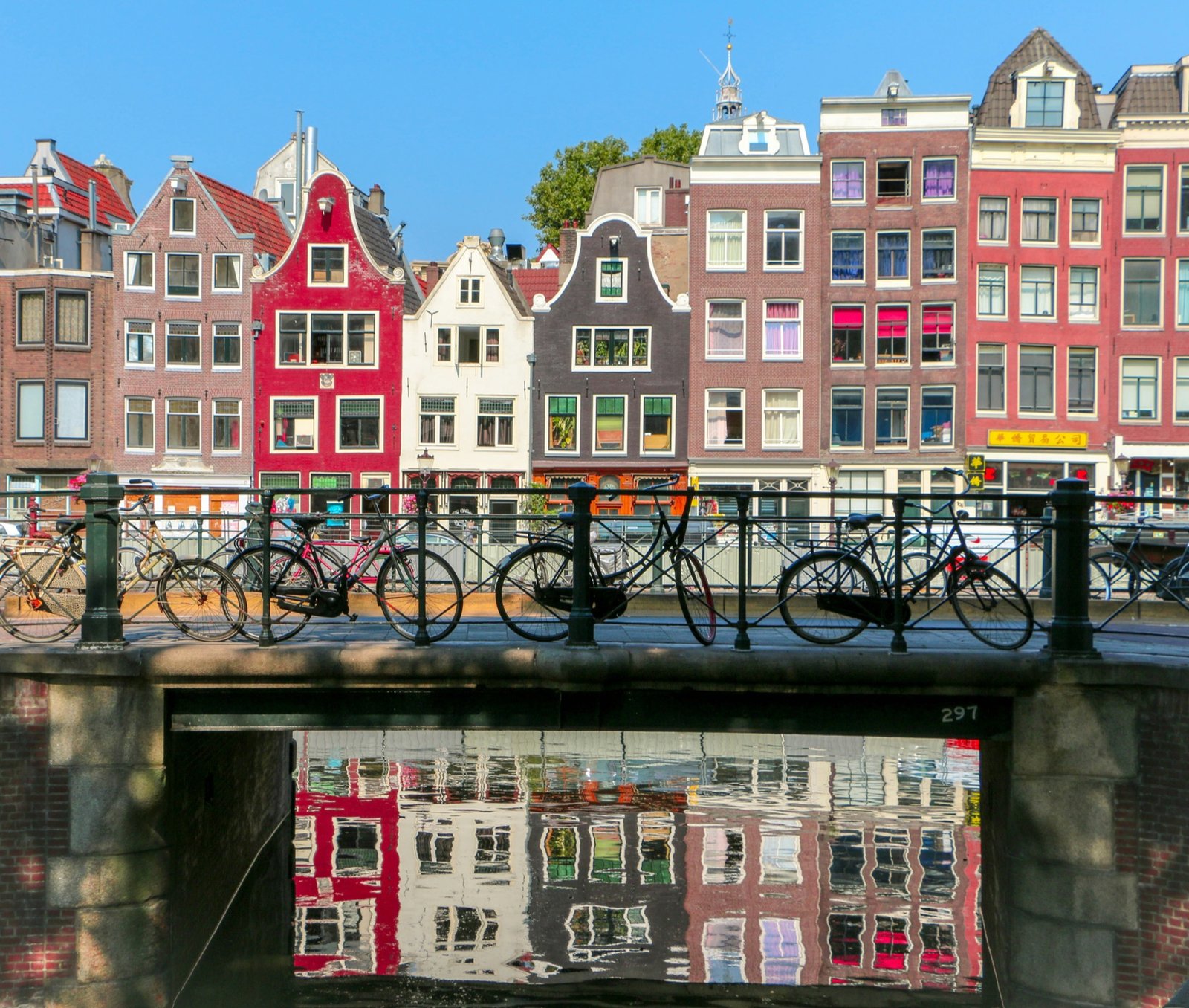
A globally connected capital with historic canals, an international outlook and neighbourhoods that each have their own rhythm. Amsterdam can be energising and convenient, while housing demand and day-to-day costs require realistic planning.
 A little more local, every day
GET TO KNOW THE CITY
A globally connected capital with historic canals, an international outlook and neighbourhoods that each have their own rhythm. Amsterdam can be energising and convenient, while housing demand and day-to-day costs require realistic planning.
There is no single “right” way to live here. Your best fit depends on where you study or work, your budget, preferred pace and the daily route that feels manageable.
A PLACE TO LAND
These are starting points for your own research, not endorsements or promises about availability.
Lively streets, cafés, the Albert Cuyp market and easy access to the centre. It suits people who enjoy a busy neighbourhood and do not mind activity around them.
A compact, characterful area of canals, small shops and cafés. Its appeal comes with high demand and often limited housing choices.
A popular, lived-in area with local food spots, Vondelpark nearby and good links into central Amsterdam. A useful balance for people wanting city life beyond the busiest streets.
A varied east-side district with parks, markets, cultural venues and a broad mix of housing and communities. Check the exact location and transit route as the area is large.
Across the IJ, Noord combines creative venues, newer development and quieter pockets. The ferry and metro connect it to the centre, but the daily route matters.
Close to major sights, stations and nightlife, with a dense and busy feel. It can be convenient but tourist activity, noise and housing competition are real considerations.
A spacious, diverse part of the city with green areas and more residential neighbourhoods. Compare transit time to your campus or workplace carefully.
FINDING A ROOM
Amsterdam is widely known for tight housing supply and a high cost of living relative to many Dutch cities. Your budget depends on housing type, location, travel and personal choices. Confirm current costs and contract terms; avoid sending deposits before verifying the provider, viewing arrangements and registration possibilities.
The University of Amsterdam (UvA), Vrije Universiteit Amsterdam (VU) and Amsterdam University of Applied Sciences (HvA) each serve different campuses and communities. Check your exact faculty location, orientation dates and student services directly with your institution. Student associations, international networks and hobby groups can help turn a big city into a smaller everyday world.
GETTING AROUND
Cycling is part of daily life, but learn local road rules and secure a good lock. GVB runs city trams, metro, buses and ferries; NS trains connect Amsterdam with the rest of the country and Schiphol Airport. Check current routes and fares with GVB and NS, especially if your home and campus are on different sides of the city.
YOUR FIRST DAYS
On your first day, settle into your verified accommodation, learn the nearest grocery and transit options, and keep travel documents safe. On day two, walk the immediate neighbourhood, test your route to campus or work and make a short list of official tasks. Book municipal appointments through official channels and check whether your stay requires registration.
ARRIVAL CHECKLIST
Rules, opening hours, transport and university procedures can change. Start with these official sources and confirm details for your own situation.
EXPLORE THE REGION
COMMON QUESTIONS
Start as early as you reasonably can, especially around university and job start dates. Use verified sources, understand the terms and confirm whether registration is permitted.
Registration requirements depend on your circumstances and length of stay. Check the city’s official guidance and ask the relevant authority if your situation is unclear.
A BSN is a Dutch citizen service number used in many interactions with government and other services. The municipality explains how and when you can obtain one.
Insurance obligations depend on your personal situation, such as your work and residence circumstances. Check official Dutch government information or ask a qualified adviser.
Many daily journeys can be made by bicycle or public transport, but convenience depends on the exact neighbourhood and destination. Check your route at the times you expect to travel.
This guide is general orientation, not official, legal, housing, immigration or financial advice. Information can change; verify current details with the linked organisations.
We can help you turn the questions into a practical plan for your own situation.